The Anatomy of a Claude Prompt That Works the First Time
Most disappointing answers come from prompts that are missing one of five parts. Here is what each part does, with a before and after you can copy.
Describe a brand in a sentence and get four distinct logo directions as clean SVG code you can open in a browser or drop into Figma.
Design four logo concepts for this brand, as SVG.

Brand: [NAME]
What it does: [ONE SENTENCE]
Personality: [THREE ADJECTIVES]
Colours I like or want to avoid: [OPTIONAL]

Requirements:
- Four clearly different directions: one wordmark, one symbol with the name, one monogram, one badge.
- Each logo is a separate, complete `<svg>` with a viewBox of 0 0 400 240. Use simple shapes and paths. No raster images, no filters.
- Use at most three colours per logo, and make sure each one still reads in a single colour.
- Set the name in a common system font stack so it renders everywhere, and tell me which typeface you would buy for the real version.
- Under each SVG, add two sentences on the idea behind it.

Finish with which direction you would develop further, and why.
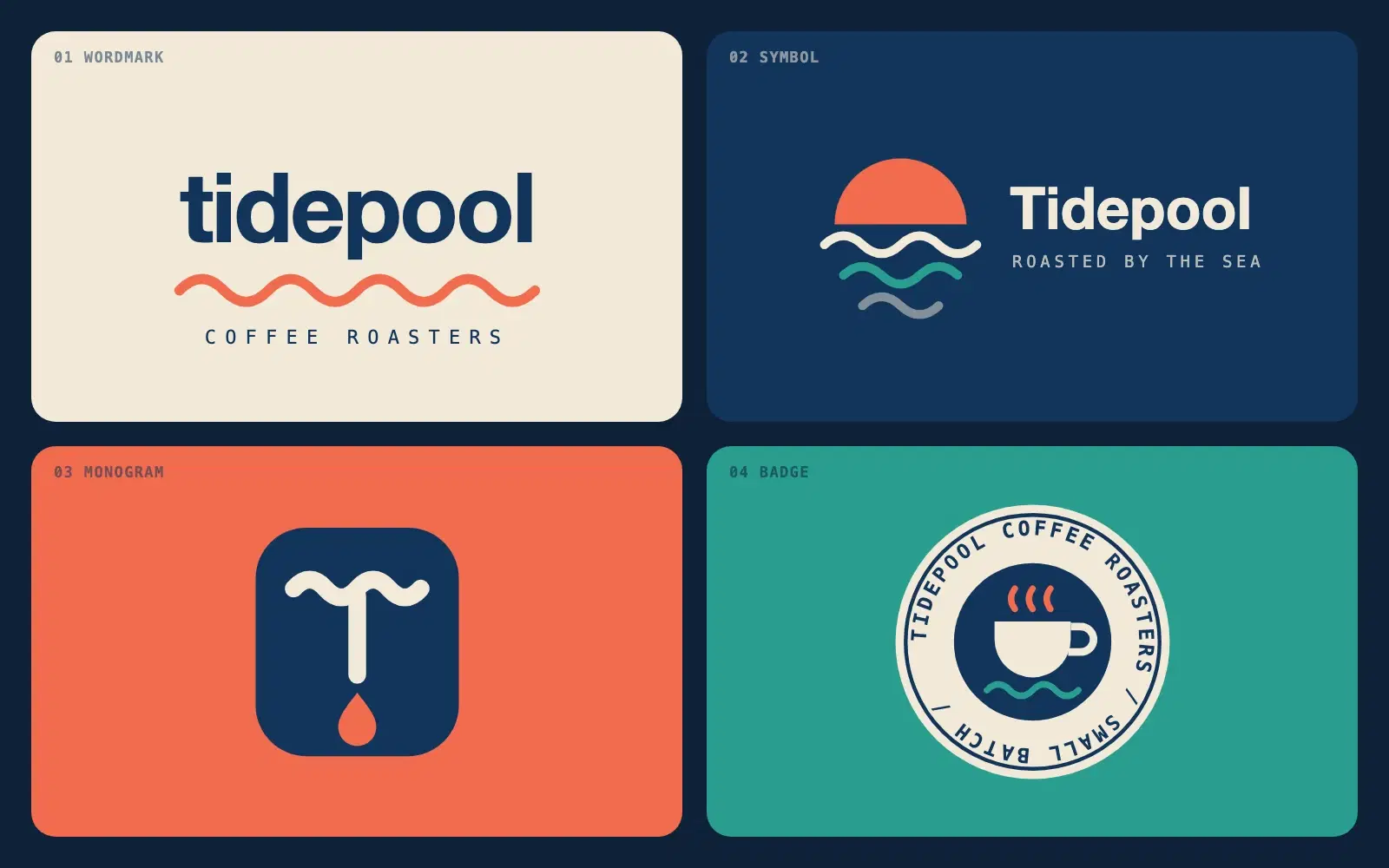
Four directions for Tidepool, a small-batch coffee roaster by the sea. Each one is a standalone SVG: a wordmark with a wave cut through the double "o", a rising sun over water as a symbol, a "T" monogram shaped like a pour-over stand, and a round badge for bags and stamps.
NoteThis is an example. Results change between runs and model versions. Prompt Podium is a fan project and is not affiliated with Anthropic.
Early in a branding project, when you need directions to react to: a new side project, a client workshop, a placeholder logo for a prototype. Because the result is SVG code, you can open it in a browser, paste it into Figma, or keep editing it by hand.
These are concept sketches, not finished trademarks. Simple geometric marks can look like existing logos by accident, so search before you commit to one. The text uses system fonts so that it renders everywhere. For the real version, set the name in the typeface Claude suggests, then convert the text to outlines.
Use the copy button above. The full text is included, nothing is cut off.
Everything highlighted in yellow is a placeholder. Swap it for your own topic, audience or data.
If the result helped, press the heart. Votes decide which prompts make the weekly top 10.
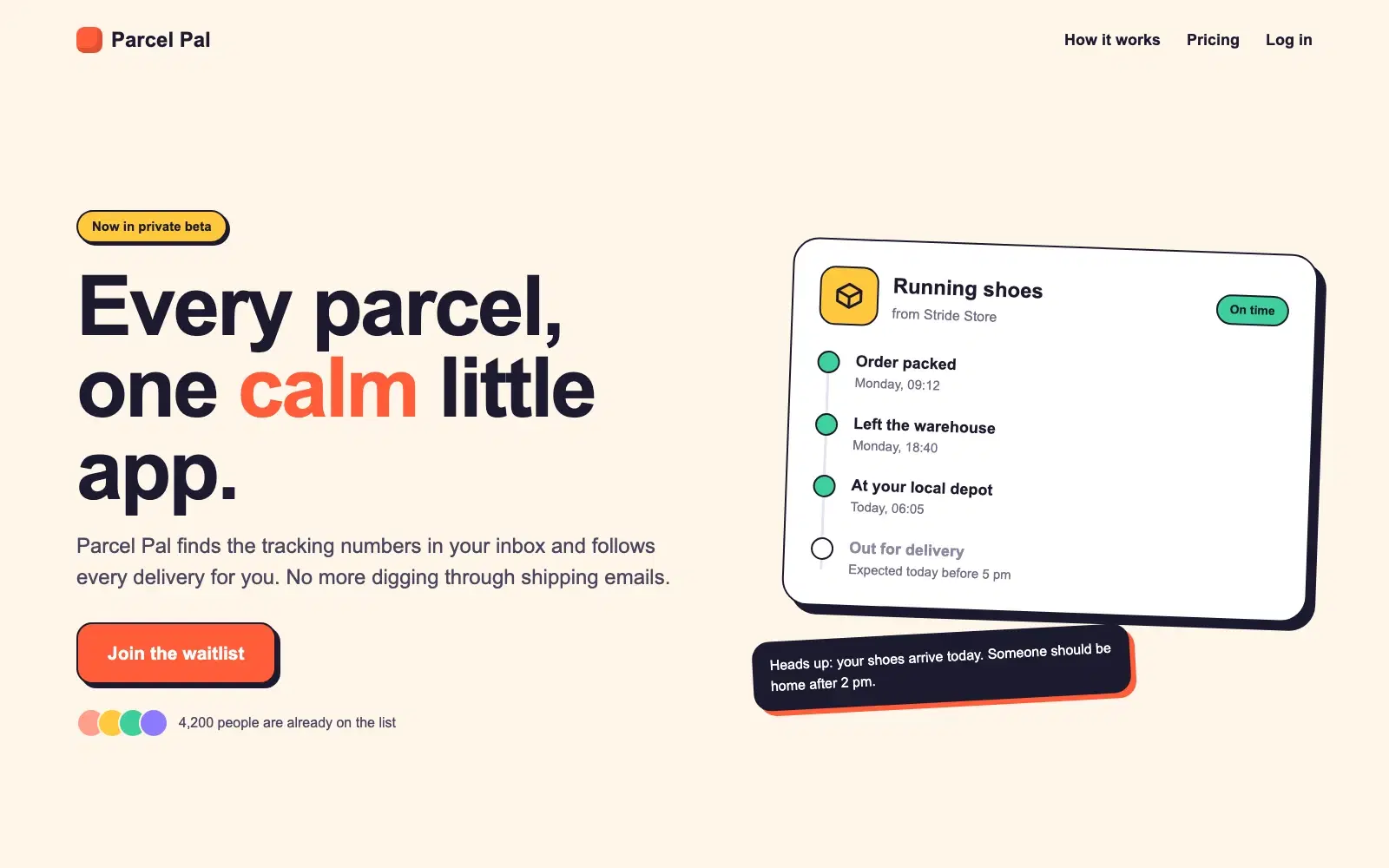
Get a complete, responsive hero section in a single HTML file with no frameworks and no images, ready to paste into any site or use as a starting point.
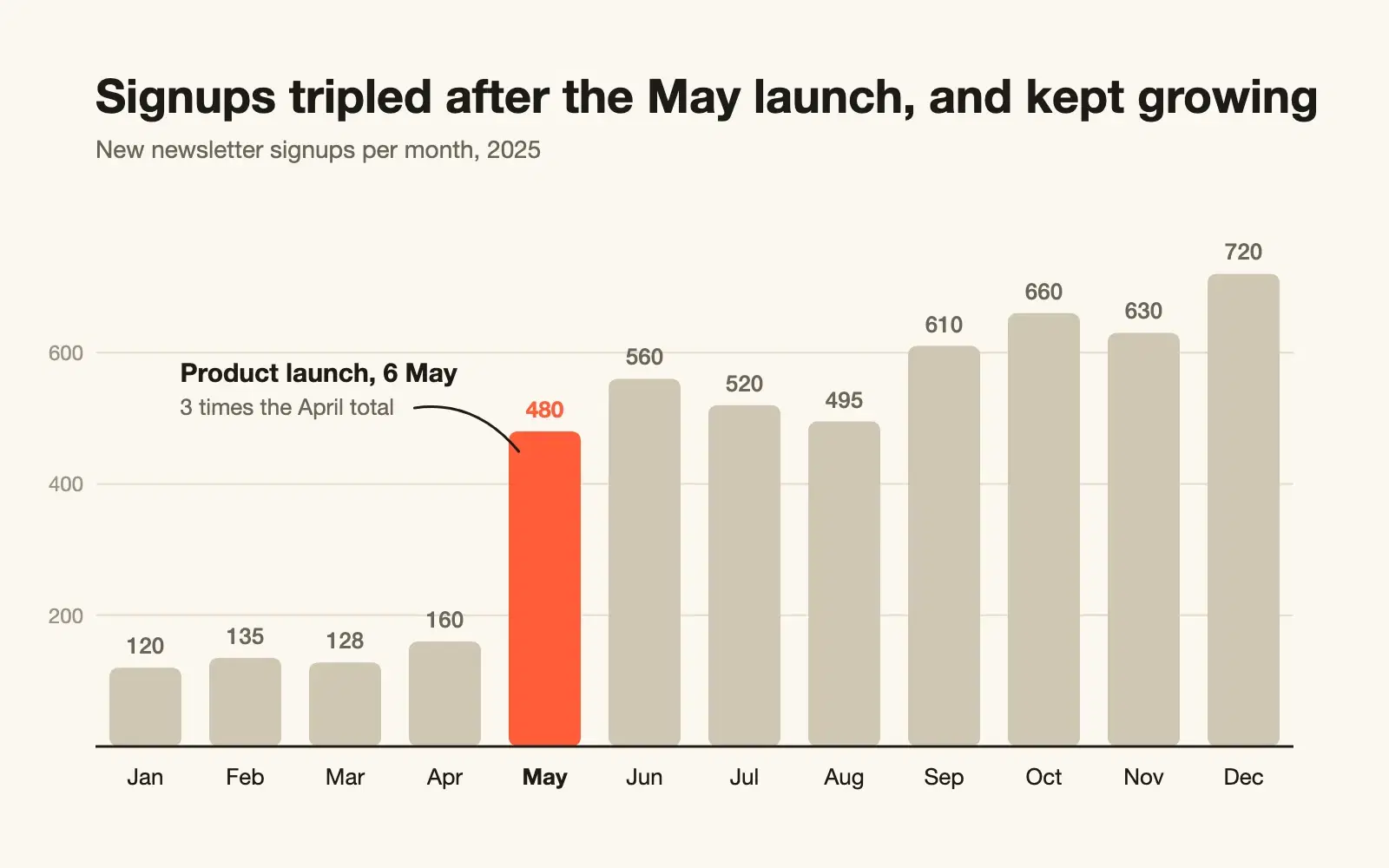
Paste raw CSV data and get a publication-ready SVG chart with sensible scales, direct labels and a title that states the finding.
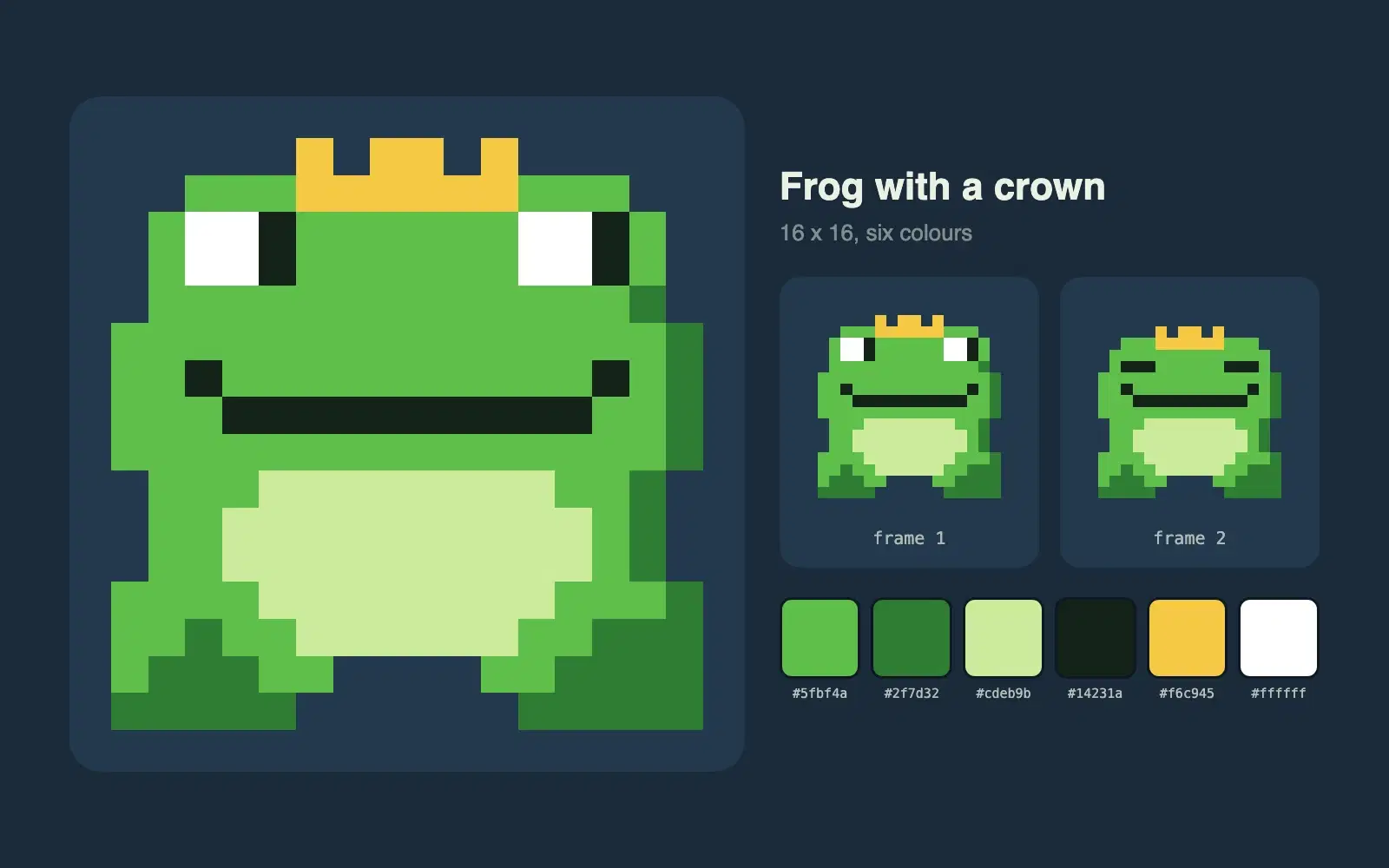
Describe a character and get a 16 by 16 pixel sprite as crisp SVG, with a limited palette and a second frame for a simple idle animation.
Most disappointing answers come from prompts that are missing one of five parts. Here is what each part does, with a before and after you can copy.
One vote per prompt, a fresh count every Monday, and a simple tie-break. Everything about how prompts reach the top three, in plain words.