How the weekly ranking works
One vote per prompt, a fresh count every Monday, and a simple tie-break. Everything about how prompts reach the top three, in plain words.
Give Claude the city, the dates, where you're staying and what you like, and get a day by day plan in Markdown that keeps each day in one or two neighbourhoods, with a rainy day swap and a short list of famous things to skip.
Plan my trip.

Where: [CITY]
When: [DATES, with arrival and departure times]
Staying at: [NEIGHBOURHOOD OR ADDRESS]
Who's going: [e.g. two adults and an eight year old, or just me]
Pace: [e.g. relaxed, two things a day; or we want to see a lot]
We like: [e.g. markets, modern architecture, small museums, long lunches, a run in the morning]
We don't: [e.g. queues, big museums, nightlife]
Budget feel: [e.g. mid, one nice dinner]
Already booked: [e.g. a tour on Saturday at 10]
Getting around: [e.g. walking and metro, we'll have a car]

Rules:
- One section per day with morning, afternoon and evening. Each stop gets one line on why it's worth it and roughly how long we'd spend there.
- Group stops by area so a day stays in one or two neighbourhoods. Say how we get from one stop to the next and how long it takes.
- Mark anything that needs booking ahead or has odd opening days, and tell me to check the hours; don't state them as fact.
- A rainy day swap: one indoor plan we can drop in on any day.
- A short "skip it" list of famous things that don't fit what we said we like, with one line on why.
- Nothing before 9 and nothing after 10 pm if there's a child.

Markdown, so I can read it on my phone.
Staying in Principe Real. Two adults and an eight year old, relaxed pace. Arriving Thursday around noon, flying home Sunday morning.
Check opening hours before you set off. Most museums close on Mondays and a few on Tuesdays, and I can't see this week's times.
Afternoon
Evening
Morning
Afternoon
Evening
Morning
Afternoon
Evening
Museu Nacional do Azulejo, 20 minutes by bus from downtown. Tiles for the adults, a big quiet space for the kid, and a cafe in the cloister. Half a day including the bus. Pair it with the Oceanario if the whole day is wet.
NoteThis is an example. Results change between runs and model versions. Claude Prompts is a fan project and is not affiliated with Anthropic.
A list of the top ten sights sends you across the city and back every day. The rule that each day stays in one or two areas is what makes a plan restful: you walk between stops, the transport is one line, and the afternoon has room for whatever you find. If you have a specific place that doesn't fit the pattern, say it's already booked and the rest of that day gets planned around it.
"We like markets and small museums" produces a reasonable plan. Adding "we don't like queues" produces a better one, because it changes which famous things end up on the skip list. The skip list is the part people forward to friends, and it only works if it reflects your taste rather than a general one.
Claude doesn't know this week's opening times, ticket prices or whether the tram is running, so the prompt asks it to flag things that need booking rather than state hours as fact. Treat the plan as the order of the days, and check the three or four things marked "book ahead" the evening before.
Use the copy button above. The full text is included, nothing is cut off.
Everything highlighted in yellow is a placeholder. Swap it for your own topic, audience or data.
If the result helped, press the heart. Votes decide which prompts make the weekly top 10.
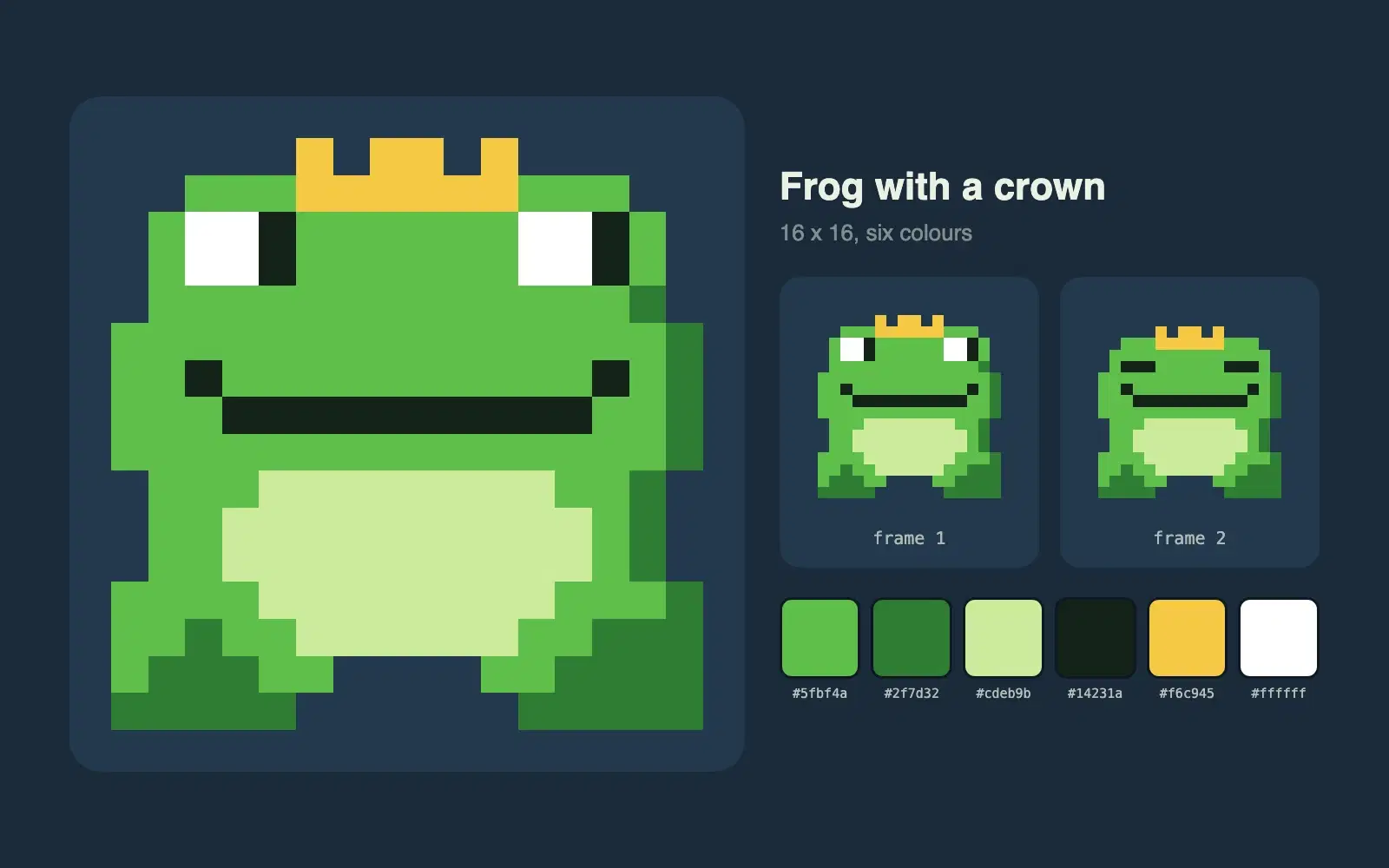
Describe a character and get a 16 by 16 pixel sprite as crisp SVG, with a small palette and a second frame for an idle animation.
Everything fits except the conference talk outline, which I've pushed to the following week (see the note at the end). Monday Morning (your best hours) 8:30 to 10:00 write the Q4 proposal draft. 10:15 to 11:00 keep going, or...
Give Claude your tasks, your fixed appointments and when you actually have energy, and get a week plan that puts hard work where you can do it.
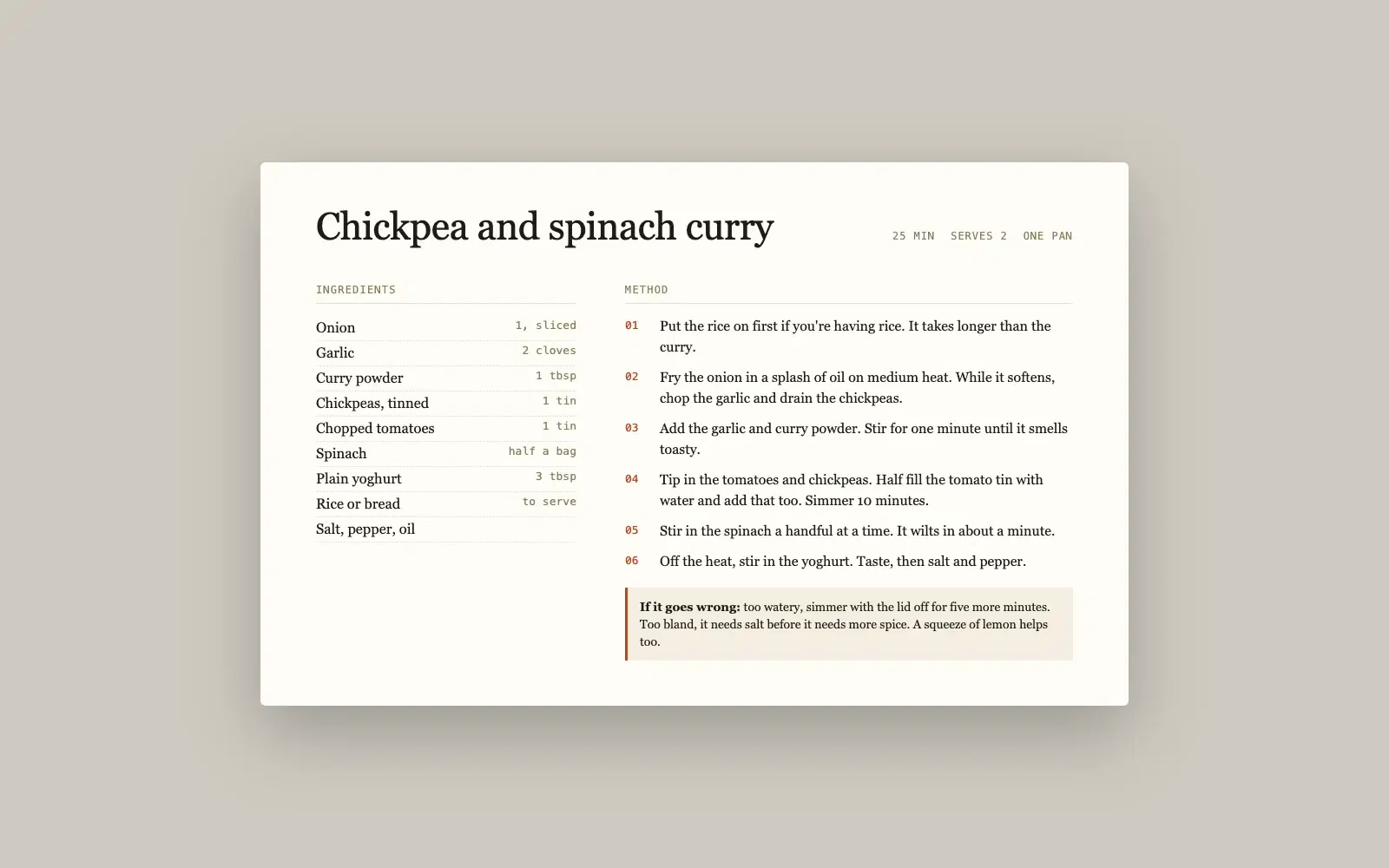
List what you have and how long you've got. You get one realistic recipe as a clean printable card, with the steps in the order you'd actually cook them.
One vote per prompt, a fresh count every Monday, and a simple tie-break. Everything about how prompts reach the top three, in plain words.
Wrapping parts of your prompt in simple tags is one of the easiest ways to get more reliable answers from Claude. A practical guide with examples.